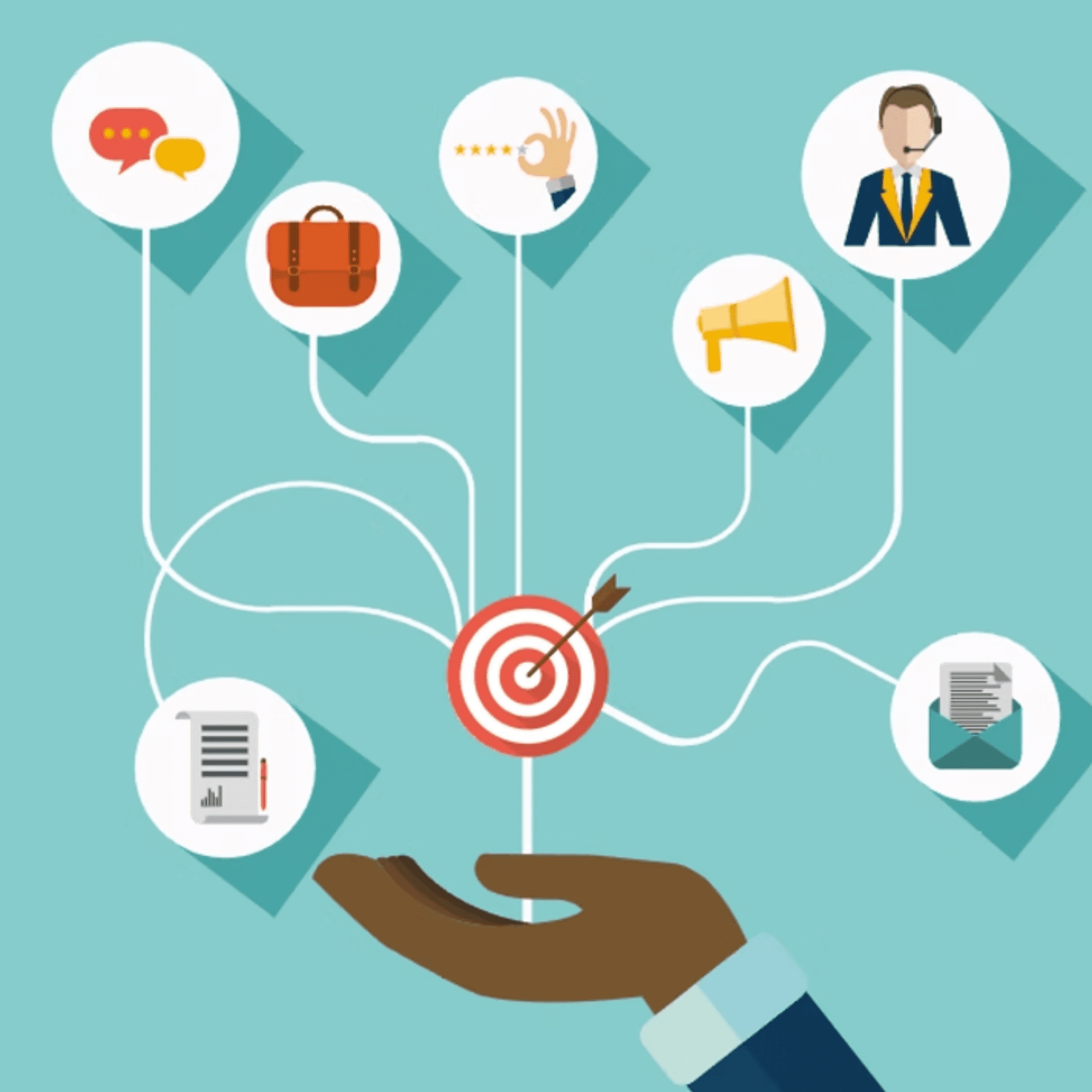
Learn about the concept of CRM and its main applications across different business operations
CRM stands for Customer Relationship Management and is one of the few services that are applicable across industries. No matter the industry or the service offered, the customer is the most valuable asset. Easily customised and implemented, CRM, in the long run, could even help you save money and increase your margins.
What is CRM?
CRM is a tool for managing customer experience and interactions with your leads and customers. It manages and saves information that’s accumulated about prospects and end-users of an establishment during marketing, sales & service intercommunications.
A well-Implemented CRM process and system improves a company’s relationship with its leads to convert. It also plays a vital role to maintain and focus on customer retention and help the sales and support to achieve growth and customer experience.
CRM stands for Customer Relationship Management and is one of the few services that are applicable across industries. No matter the industry or the service offered, the customer is the most valuable asset. Easily customised and implemented, CRM, in the long run, could even help you save money and increase your margins.
What is CRM?
CRM is a tool for managing customer experience and interactions with your leads and customers. It manages and saves information that’s accumulated about prospects and end-users of an establishment during marketing, sales & service intercommunications.
A well-Implemented CRM process and system improves a company’s relationship with its leads to convert. It also plays a vital role to maintain and focus on customer retention and help the sales and support to achieve growth and customer experience.
Marketing Automation
The focus of marketing automation modules is on reducing the manual repeated process and communication via various channels like sending emails at the exact time when the customer would have access to mails. Its primary purpose is to convert leads into a full paying customer.
Sales Automation
Sales Automation in CRM is customised in a manner that it is involved in the entire sales cycle process like follow-ups, fixing meetings, sending estimates/quotes, informing the finance and support team when a deal has begun and more. It can prevent duplicates and even let your customer access records that a company wishes to share.
Service Automation
Service automation is a component of the CRM operation that concentrates on firsthand customer assistance technology. By service automation, customers are encouraged through multiple channels such as email, phone, knowledge bases, portals, FAQs, and more.
Analytics
The part of analytical modules in CRM systems is to analyse consumer data gathered through various origins and exhibit it so that managers can make added informed decisions. Well-organised CRM systems employ techniques like correlation, data mining, & pattern identification to interpret consumer next actions.
Collaborative
Cloud-based CRM is to consolidate stakeholders such as vendors, suppliers & distributors, and share consumer data across groups/boards and associations. Example, feedback can be obtained from technical support calls, that could further provide direction for promoting products and services to that particular consumer in the future.
In the upcoming future blogs, we will go into the details of each of the core functionalities and multiple use cases for a better understanding of CRM. In the meantime, try understanding CRM hands-on with free basic versions on Zoho CRM or Freshsales.